

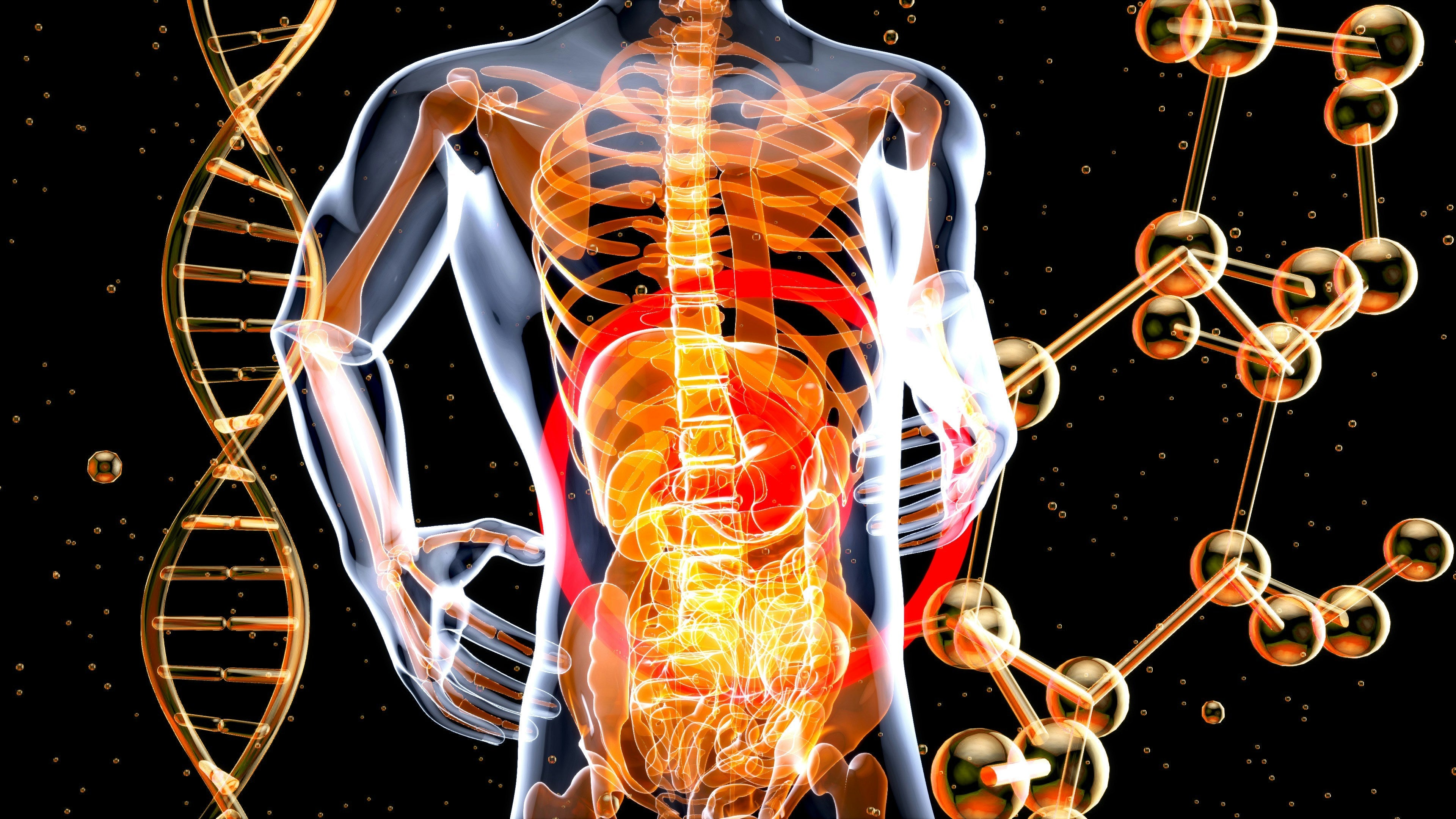
The digestive system is a complex ecosystem that directly influences nutrient absorption, metabolism, immune function, and even mental well-being. A well-balanced gut microbiome enhances digestion, ensuring essential nutrients are efficiently absorbed and utilized. Recent studies highlight how gut bacteria play a crucial role in optimizing nutrient uptake, preventing deficiencies, and supporting metabolic health.
A diet rich in fiber, probiotics, and digestive enzymes helps promote efficient digestion, nutrient assimilation, and overall vitality.
How Gut Health Affects Nutrient Absorption
The gut microbiota consists of trillions of microorganisms that assist in breaking down food, synthesizing vitamins, and regulating immune responses. Several key mechanisms influence how gut health affects nutrient absorption:
Microbial Breakdown of Food: Beneficial bacteria help break down complex macronutrients, increasing the availability of essential amino acids, fatty acids, and micronutrients.
Enzyme Production: Digestive enzymes secreted in the gut facilitate the breakdown of proteins, carbohydrates, and fats, ensuring efficient nutrient absorption.
Intestinal Barrier Integrity: A strong gut lining prevents harmful substances from entering the bloodstream, optimizing nutrient transport and reducing inflammation.
Probiotics and Digestive Enzymes: The Key to Enhanced Absorption
Incorporating probiotics and digestive enzymes into a daily routine can significantly improve gut function and maximize nutrient absorption:
Probiotics: These beneficial bacteria aid in breaking down food, synthesizing essential vitamins like B-complex and K2, and supporting immune function. A well-balanced gut microbiome enhances protein digestion and amino acid absorption, making it particularly important for athletes and active individuals.
Digestive Enzymes: These specialized proteins break down macronutrients into smaller, absorbable units. Enzymes such as protease, lipase, and amylase facilitate the digestion of proteins, fats, and carbohydrates, reducing bloating and discomfort.
For individuals looking to optimize gut health, consuming a combination of probiotics and digestive enzymes can improve digestion efficiency, enhance metabolic function, and support overall well-being. Some high-quality protein supplements also integrate these elements to ensure better absorption and gut support.
The Long-Term Impact of Gut Health on Well-Being
A well-functioning gut extends its benefits far beyond digestion:
Immune System Regulation: Approximately 70% of the immune system resides in the gut. A healthy microbiome supports immune defense and helps prevent infections.
Mental Health and Cognitive Function: The gut-brain axis links gut health to mood, cognition, and neurological function. Research suggests that an imbalanced microbiome is associated with anxiety, depression, and neurodegenerative diseases (Luo et al., 2023).
Inflammation Control: A balanced gut reduces systemic inflammation, which is linked to chronic conditions such as obesity, diabetes, and cardiovascular disease.
Metabolic Health: A healthy gut supports efficient digestion and metabolism, promoting energy production and reducing the risk of metabolic disorders.
Conclusion
The gut plays a fundamental role in digestion, nutrient absorption, and overall health. A balanced microbiome, supported by probiotics and digestive enzymes, ensures optimal digestion, enhances immunity, and promotes long-term well-being. Prioritizing gut health through a nutrient-rich diet, active habits, and digestive support can improve overall vitality, cognitive function, and immune resilience. Understanding and nurturing gut health is essential for unlocking the full potential of the body and mind.
References
Zhao, X., Li, W., & Chen, J. (2025). The Gut Virome and Human Health: From Diversity to Personalized Medicine. Advances in Microbial Research. Available at: https://www.sciencedirect.com/science/article/pii/S2667370325000037
Wang, B., Yao, M., & Morrison, M. (2018). Human Gut Microbiome: Hopes, Threats, and Promises. Nature Reviews Microbiology. Available at: https://pubmed.ncbi.nlm.nih.gov/29934437/
Zhang, Y., Sun, J., & Guo, W. (2022). Gut Microbiome and Health: Mechanistic Insights. Journal of Translational Medicine. Available at: https://pubmed.ncbi.nlm.nih.gov/35105664/


