

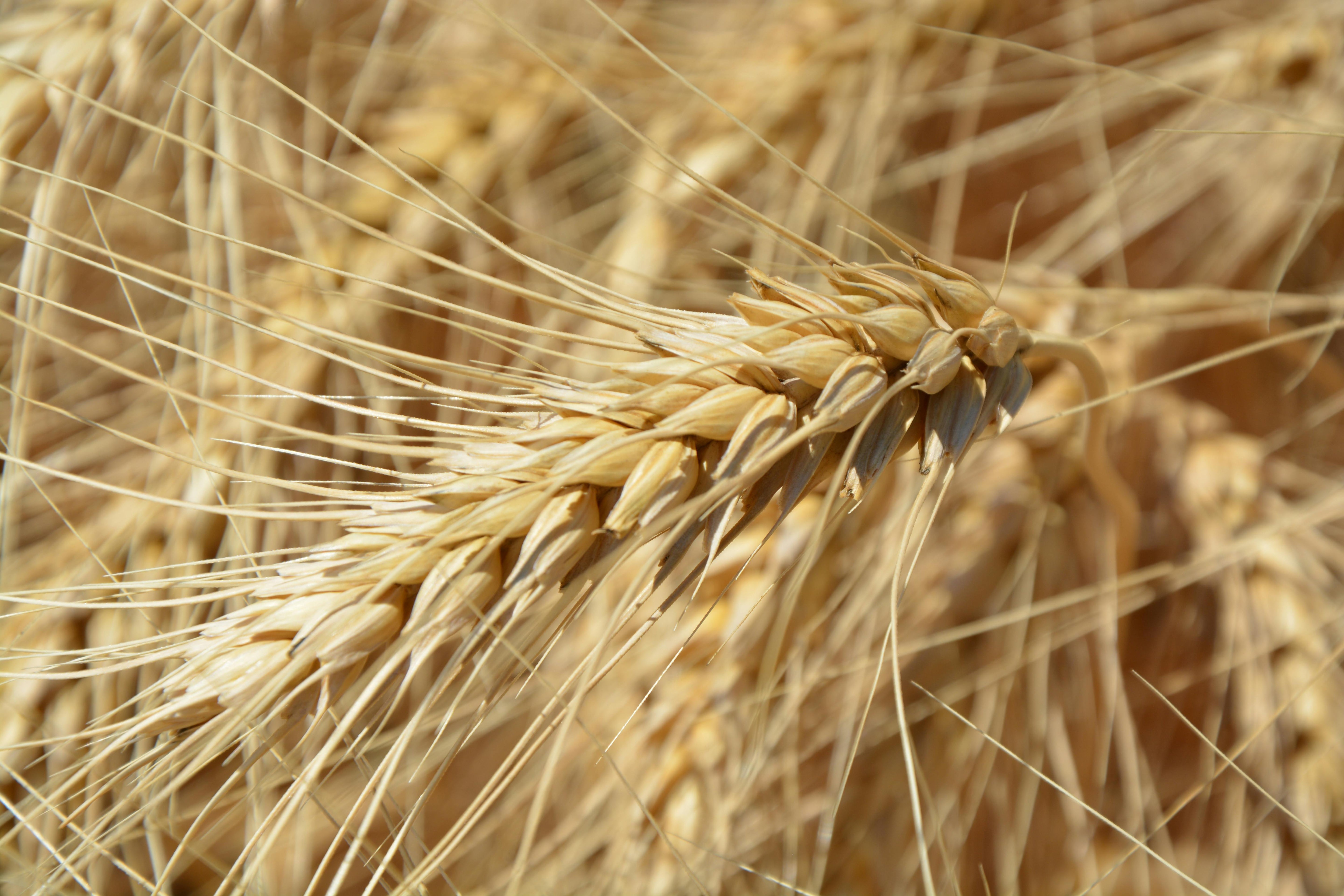
Understanding Gluten
Gluten is a group of storage proteins-primarily gliadin and glutenin-found in wheat, barley, and rye. These proteins contribute to the elasticity and chewiness of baked goods. While gluten is harmless for most people, it can trigger adverse reactions in certain individuals due to genetic and immunological factors.
When Gluten Becomes a Problem
1. Celiac Disease
Celiac disease is an autoimmune condition in which ingestion of gluten leads to an immune-mediated attack on the small intestine. This causes villous atrophy, nutrient malabsorption, and a wide range of gastrointestinal and systemic symptoms.
Prevalence is approximately 1% globally.
Diagnosis requires serological testing and intestinal biopsy.
A strict lifelong gluten-free diet is the only effective treatment ([Lebwohl et al., 2018]).
2. Non-Celiac Gluten Sensitivity (NCGS)
Individuals with NCGS experience symptoms similar to celiac disease, such as bloating, fatigue, and abdominal pain, without the autoimmune response or intestinal damage.
Diagnosis is clinical and involves exclusion of celiac disease and wheat allergy.
Symptoms improve on a gluten-free diet but the pathophysiology is not fully understood.
3. Wheat Allergy
Wheat allergy is an IgE-mediated reaction that can cause hives, respiratory symptoms, or anaphylaxis.
Unlike celiac disease or NCGS, this is an immediate allergic reaction.
Diagnosis is based on specific IgE tests or oral food challenge.
Gluten in the General Population
For individuals without gluten-related disorders, there is no scientific evidence that gluten is inherently harmful.
Randomized controlled trials have found no benefit to gluten-free diets for healthy individuals without gluten sensitivity or celiac disease ([Di Sabatino & Corazza, 2012]).
Gluten-free diets may be lower in fiber, B vitamins, and iron if not well planned.
Conclusion
Gluten should not be feared, but it should be understood. While gluten-free diets are essential for individuals with celiac disease, wheat allergy, or NCGS, for the majority of people, gluten poses no harm and can be part of a balanced diet. Nutritional decisions should always be guided by scientific evidence and personalized to individual needs.
References
Biesiekierski JR. (2017). What is gluten? Journal of Gastroenterology and Hepatology, 32(S1), 78–81. Available at: https://pubmed.ncbi.nlm.nih.gov/28244676
Roszkowska A, Pawlicka M, Mroczek A, Bałabuszek K, Nieradko-Iwanicka B. (2019). Non-Celiac Gluten Sensitivity: A Review. Medical Studies/Studia Medyczne, 35(2), 142–147. Available at: https://pubmed.ncbi.nlm.nih.gov/31142014
Bell KA, Pourang A, Mesinkovska NA, Cardis MA. (2021). The effect of gluten on skin and hair: a systematic review. International Journal of Dermatology, 60(9), 1090–1096. Available at: https://pubmed.ncbi.nlm.nih.gov/33999573


