

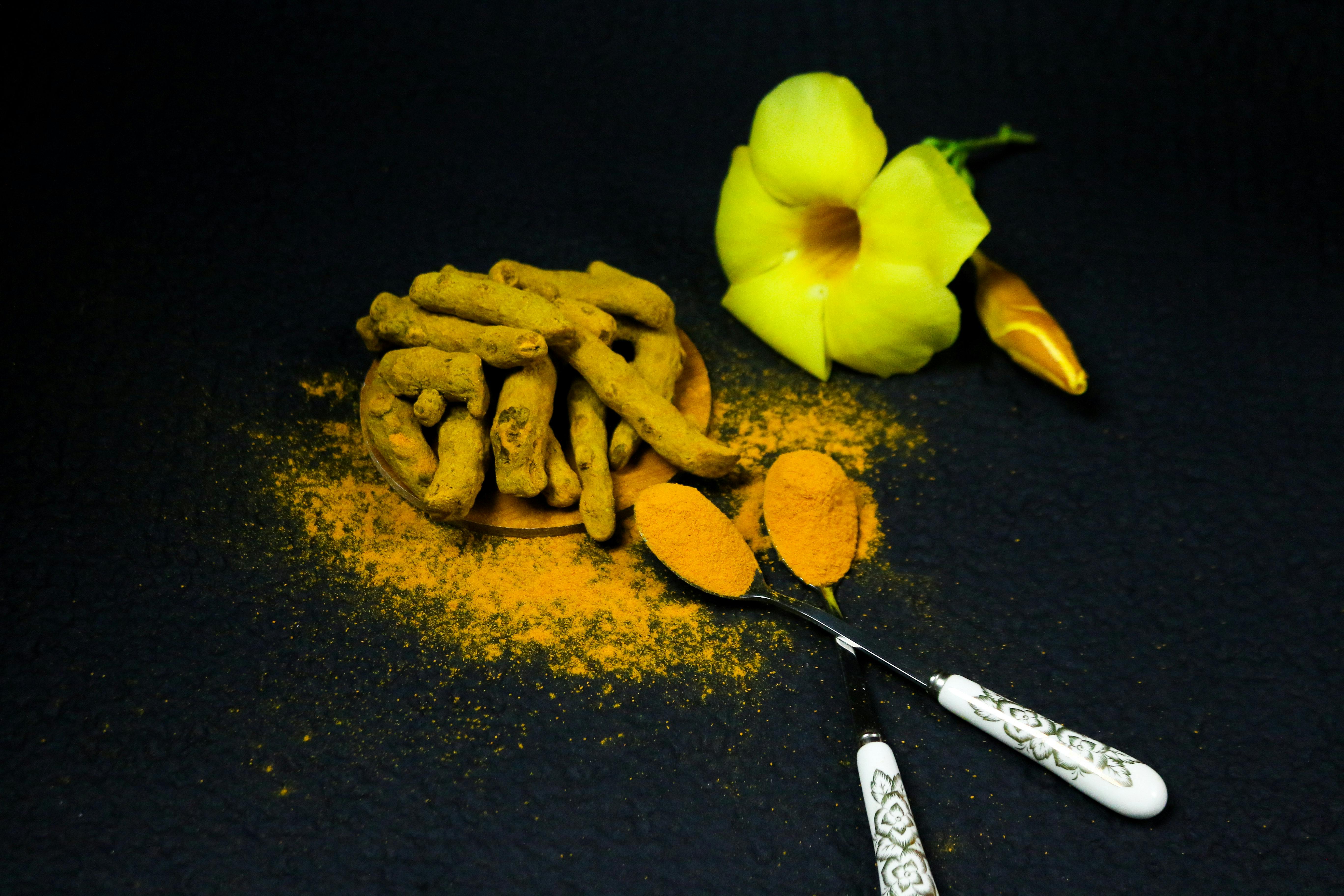
What is Curcumin?
Curcumin is a polyphenol derived from the rhizome of Curcuma longa, commonly known as turmeric. Traditionally used in Ayurvedic and Chinese medicine, curcumin is now recognized globally for its biological properties. It modulates several biochemical pathways, particularly those involved in inflammation, oxidation, and cellular repair.
Scientific Evidence of Health Benefits
Curcumin is known for its strong anti-inflammatory and antioxidant actions. It can help regulate inflammatory markers and neutralize reactive oxygen species, supporting the body’s ability to manage chronic inflammation and oxidative stress.
Clinical studies suggest curcumin may play a supportive role in:
Improving joint and muscle health: By reducing inflammatory mediators, curcumin has shown potential benefits in managing arthritis and muscle soreness.
Supporting brain function: Research indicates curcumin may influence levels of BDNF (brain-derived neurotrophic factor), a molecule involved in memory and cognitive resilience.
Aiding digestion: Curcumin is traditionally used to stimulate bile production and enhance fat digestion, which may benefit those with sluggish or sensitive digestion.
Enhancing immune defense: Its antioxidant and immunomodulatory properties may contribute to a more robust and adaptive immune response.
Supporting cardiovascular function: Curcumin appears to influence endothelial function and blood vessel health, potentially supporting circulation and vascular integrity.
Assisting with metabolic balance: Some studies suggest curcumin may support healthy blood sugar metabolism, which is relevant for individuals concerned with insulin resistance or type 2 diabetes.
Cautions and Considerations
Although turmeric and curcumin are generally considered safe, certain populations should exercise caution. These include individuals with gallbladder disease, bleeding disorders, those on anticoagulant medications, and people with gastric ulcers. It’s also advisable for pregnant or breastfeeding women and children to consult a healthcare professional before using curcumin supplements.
Excessive intake may lead to mild gastrointestinal discomfort, such as nausea or diarrhea. Therefore, daily intake should remain within recommended limits, typically up to 10g of turmeric or the equivalent in curcumin extract. For targeted supplementation, professional guidance is recommended.
Conclusion
Curcumin represents a powerful tool in evidence-based nutrition, with a wide range of potential health benefits when used appropriately. Although not a replacement for conventional treatment, curcumin supplementation can be a complementary approach for managing chronic inflammation and oxidative stress.
References
Gupta SC, Patchva S, Aggarwal BB. (2013). Therapeutic roles of curcumin: lessons learned from clinical trials. AAPS Journal, 15(1), 195–218. Available at: https://pubmed.ncbi.nlm.nih.gov/23143785
Heidari H, Bagherniya M, Majeed M, Sathyapalan T, Jamialahmadi T, Sahebkar A. (2023). Curcumin-piperine co-supplementation and human health: A comprehensive review of preclinical and clinical studies. Phytotherapy Research, 37(6), 2541–2564. Available at: https://pubmed.ncbi.nlm.nih.gov/36720711


